Explore Namibia Tours and Safaris: The Complete Guide to Your Adventure
Namibia is recognized as a premier destination for explorers and wildlife admirers. Its breathtaking scenery and diverse wildlife offer a stunning canvas for remarkable encounters. From the majestic sand dunes of Sossusvlei to the sweeping plains of Etosha National Park, there is a wealth of wonders to explore. Various safari options cater to different preferences and interests. The journey promises not only stunning scenery but also deep cultural connections. What awaits travelers find out more in this enthralling land?
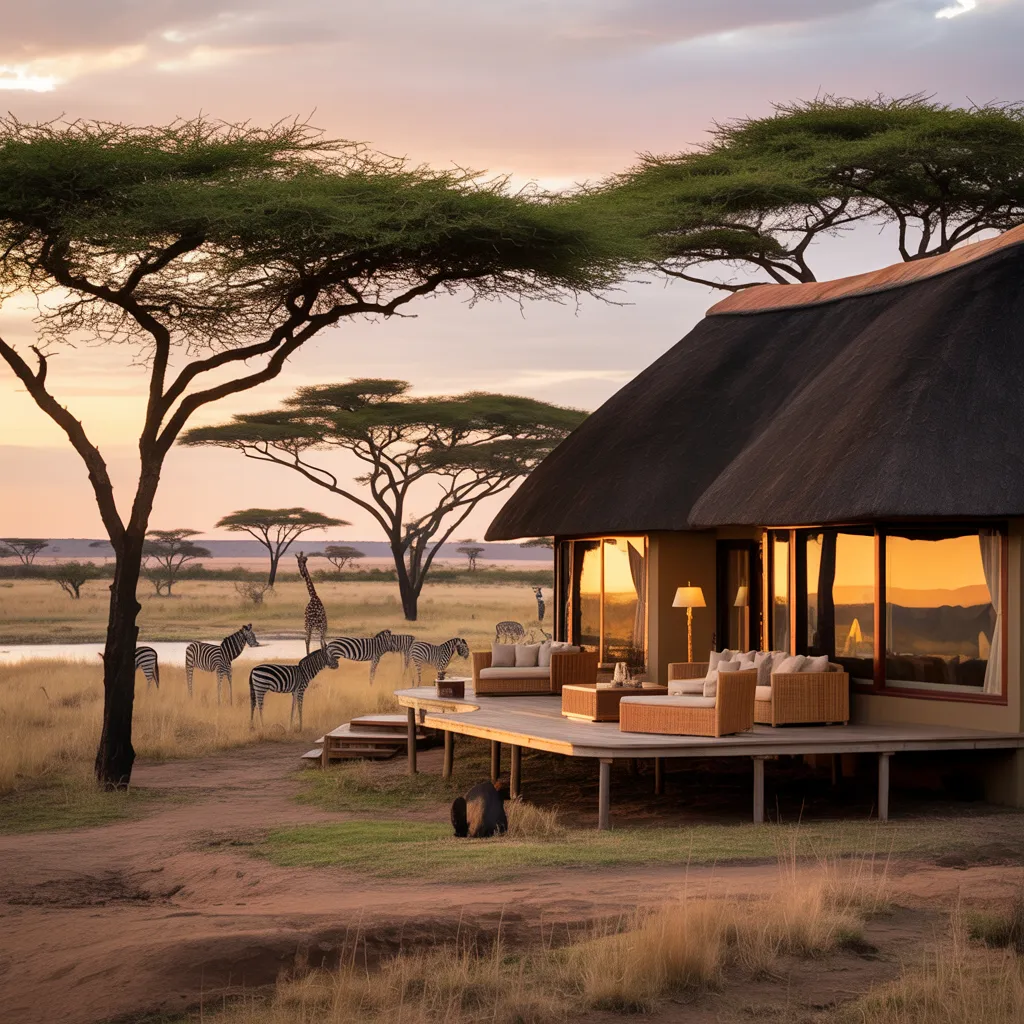
Best Places to Discover in Namibia
When organizing a journey to Namibia, travelers will find a remarkable collection of breathtaking destinations that highlight the country's varied landscapes and wildlife. The iconic Sossusvlei, with its towering red dunes, encourages adventurers to discover the extraordinary beauty of the Namib Desert. Etosha National Park is renowned for its remarkable wildlife viewing, showcasing elephants, lions, and rhinos that roam its vast salt pans. The Skeleton Coast, with its dramatic shoreline and shipwrecks, offers a haunting yet enchanting experience for nature enthusiasts. Damaraland, known for ancient rock art and the unique desert-adapted elephants, offers a glimpse of Namibia's rich cultural history. Additionally, the Fish River Canyon, one of the largest canyons in the world, provides stunning hiking opportunities. Each of these destinations provides a unique perspective on Namibia's natural wonders, positioning it as an exceptional option for travelers in search of adventure and exploration.
Ideal Times to Visit Namibia
When is the best time of year for travelers to visit Namibia? The ideal period to visit this stunning country is during its dry season, which typically spans from May to October. During these months, temperatures are cooler, making outdoor activities and wildlife viewing more comfortable. Namibia's terrain is especially impressive throughout the dry season, with minimal rainfall boosting visibility and drawing attention to the extraordinary geological formations.
By comparison, the rainy season, from November to April, delivers warmer weather and periodic rainfall, resulting in dense foliage and an energetic ambiance. Nevertheless, wildlife becomes more difficult to encounter during this time, as wildlife spreads out to find water.
At the end of the day, the best time to visit Namibia is determined by travelers' priorities between wildlife viewing and discovering the country's rich, green landscapes. Each time of year presents a different and remarkable view of Namibia's stunning natural environment.
Available Safari Options
Namibia provides an extensive variety of safari experiences that accommodate a multitude of interests and preferences. Outdoor enthusiasts can choose from self-drive safaris, providing a personalized exploration of the country's stunning landscapes, or guided tours led by experienced rangers, delivering an informative experience. For visitors passionate about photography, dedicated photo safaris offer plentiful opportunities to document Namibia's breathtaking vistas and remarkable wildlife.
High-end safaris, featuring lavish accommodations and exclusive access to private reserves, draw in guests who wish to combine luxury with exploration. Green safaris prioritize sustainability, highlighting preservation initiatives while allowing visitors to experience Namibia's stunning landscapes. Heritage safaris provide a deeper understanding of indigenous cultural practices, enriching the travel experience. Moreover, family-focused safaris are crafted to entertain and educate younger visitors, guaranteeing an unforgettable adventure for every generation. Every safari style offers distinctive experiences, making Namibia a premier destination for all adventure enthusiasts.
One-of-a-Kind Wildlife Experiences
Discovering Namibia's diverse safari types readily provides unique wildlife experiences that are incomparable in their diversity and depth. The nation's immense landscapes, from the parched Namib Desert to the lush wetlands of the Okavango, offer habitats for an outstanding array of wildlife. Explorers can witness the renowned Big Five—lion, elephant, buffalo, leopard, and rhinoceros—in their native habitats, often during exciting walking safaris or game drives.
Moreover, Namibia is renowned for remarkable species such as the desert-adapted elephants and black rhinos of Damaraland. Wildlife photographers can take pleasure in spotting stunning avian species, including the magnificent African fish eagle and the colorful lilac-breasted roller. The nation's commitment to conservation secures that these extraordinary wildlife encounters remain preserved, permitting adventurers to witness the grandeur of nature while supporting local ecosystems. Each safari adventure in Namibia is an invitation to connect deeply with the wild and experience nature's miracles.
Cultural Interactions and Local Communities
How do cultural encounters enrich the travel experience in Namibia? Engaging with local communities allows travelers to gain a deeper understanding of the country's diverse heritage. Namibia is home to several indigenous groups, including the Himba, San, and Damara, each with unique traditions, languages, and lifestyles. Travelers frequently take part in traditional rituals, explore centuries-old crafts, and sample genuine local cuisine, creating lasting and meaningful bonds.
These interactions serve to boost cultural understanding while simultaneously strengthening local economies. Several grassroots tourism initiatives make certain that a percentage of the earnings directly supports the communities engaged, promoting sustainable practices. Tourists are able to experience firsthand the struggles and successes of these communities, gaining insights into their resilience and adaptability in a changing world. Ultimately, cultural encounters in Namibia enrich journeys, transforming mere sightseeing into profound experiences that resonate long after returning home.
Essential Packing Tips for Your Trip
When planning a trip to Namibia, it is crucial to contemplate what items to pack for a pleasant and memorable experience. Tourists should focus on breathable, comfortable attire suitable for both warm days and cool evenings. Muted-colored outfits are ideal to blend in with the magnificent surroundings while reducing insect activity. Sturdy walking shoes are a must, particularly for those embarking on safari adventures or exploring national parks.
Sun protection is critical; therefore, packing a wide-brimmed hat, sunglasses, and high-SPF sunscreen is recommended. A refillable water bottle will help stay hydrated during excursions. Additionally, having a quality camera or smartphone with plenty of storage is vital for photographing the stunning landscapes and wildlife.
Visitors must remember to pack essential toiletries, a basic first aid kit, and any individual medical supplies. Finally, a reliable power adapter suited to Namibia's electrical outlets confirms that devices remain charged throughout the adventure.
Suggested Tour Operators and Packages
Selecting the right tour company can considerably enhance a traveler's adventure in Namibia, as various companies present personalized packages that address varying budgets and interests. Those in search of premium travel, companies like Wilderness Safaris provide premium accommodations and unique adventures in secluded destinations. Thrill-seekers can select companies such as Chameleon Safaris, which specialize in small group tours and self-guided driving experiences, providing a more personal connection with the landscape.
For families seeking memorable adventures, Namibia Tours and Safaris presents all-inclusive packages that cover activities designed for every age group. Travelers on a budget can explore economical alternatives with companies like Eco Travel, which prioritize eco-friendly travel while maintaining affordability. Each operator presents unique itineraries, featuring renowned destinations such as cultural interactions with local tribes, the Namib Desert, and Etosha National Park. In the end, choosing a trustworthy tour operator is essential for an enriching and unforgettable experience throughout Namibia's awe-inspiring terrain.
Frequently Asked Questions
What Is the Average Cost of a Namibia Safari Tour?
The average cost of a Namibia safari tour generally falls from $150 to $500 per person per day, influenced by elements like lodging options, package inclusions, and the particular activities selected throughout the journey.
Are There Any Health Precautions for Traveling in Namibia?
Those planning a trip to Namibia are advised to get immunizations against hepatitis A, typhoid, and antimalarial medication, especially in rural areas. Keeping well hydrated, applying insect repellent, and packing a first-aid kit are strongly suggested for a healthy and secure travel experience.
What Type of Visa Is Required for Visiting Namibia?
A tourist visa is typically required for visiting Namibia, which can be obtained prior to arrival or upon entry, based on the nationality of the traveler. It is recommended to verify the relevant visa requirements based on personal circumstances.
Is It Safe to Travel Solo in Namibia?
Namibia can be a safe destination for solo travelers, especially for those with travel experience. Care should be taken in city environments, whereas rural areas provide breathtaking scenery and reduced hazards. Knowledge and readiness boost protection and satisfaction across the expedition.
Can I Hire a Vehicle for Self-Drive Safaris in Namibia?
Indeed, tourists can hire vehicles for self-drive safaris in Namibia. A wide variety of hire services feature a variety of choices, including 4x4 vehicles suitable for the diverse landscapes, providing an exciting and convenient journey.